Xiangpeng Wan

I build AI systems for businesses in London: agents and automation that plug into the tools a company already pays for. On the side, 100 Conversations: I am talking to 100 people about how they build, work and think in the age of AI.

Latest Posts

Anthropic Just Published the Answer Key for Always-On Agents. So I Did the Most Rational Thing: I Marked My Own Assistant

On 13 November, Anthropic published a long guide to building always-on AI agents and split them into five parts: an event inbox, timers, memory, permissions and an outbox. I checked the AI assistant that lives in my inbox against it. The inbox and the outbox were fully right, because email already comes with an inbox, an outbox and an approve button. Timers, memory and permissions still have gaps to close. The day after the guide came out, I delivered an AI employee to a client who sells jewellery through TikTok live streams.

Anthropic Just Published the Answer Key for Always-On Agents. So I Did the Most Rational Thing: I Marked My Own Assistant

Baidu Says Only Two Kinds of Jobs Will Be Left in the Organization of the Future

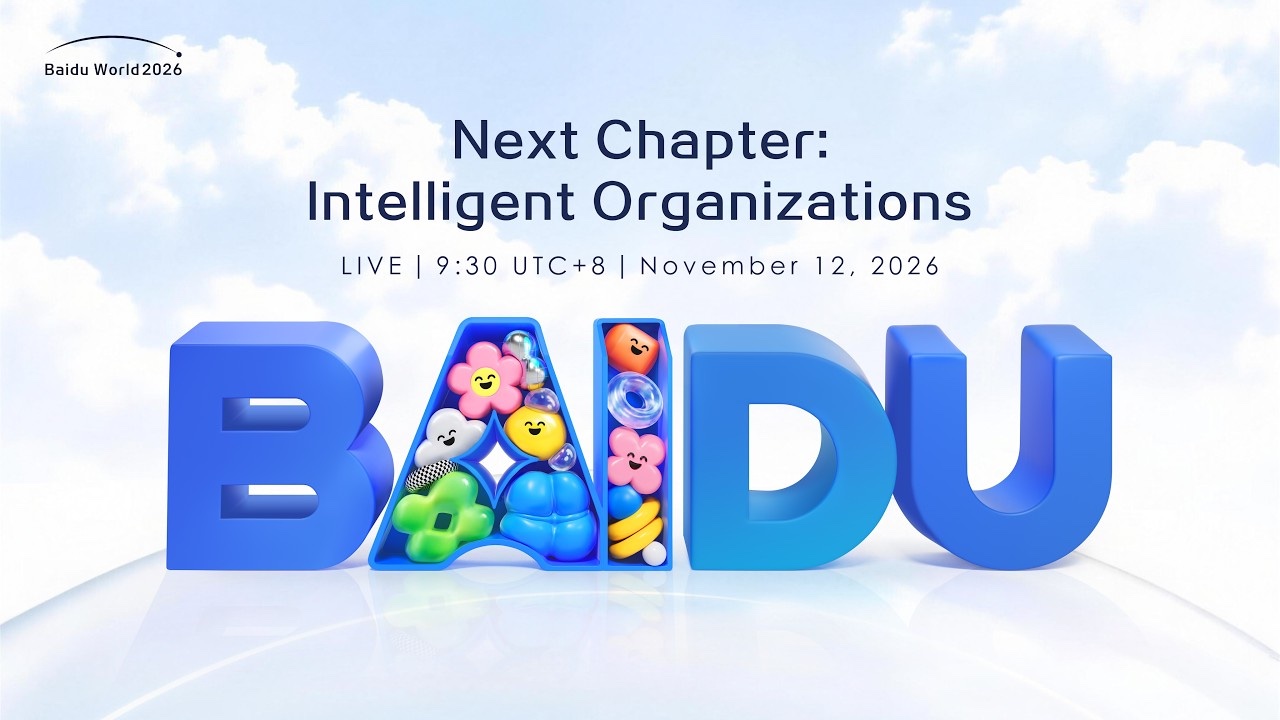
Robin Li says the jobs of the future will converge into two kinds: builders and sellers. Boris Cherny, who created Claude Code, made a list too, with five archetypes. Neither list has a manager on it. Tencent's leadership told staff it may not need so many management roles, and ByteDance made "stay close to the front line" a principle of its own. By Baidu's two-way split, the people at the top are sellers or builders too. Management is not a separate kind of work: every task needs an owner who is accountable for the result, and that person can be a builder or a seller. Two front-line AI engineers disagree about one person being both a seller and a builder.

Baidu Says Only Two Kinds of Jobs Will Be Left in the Organization of the Future

My AI Assistant Has No App. It Lives in My Inbox

Saturday morning on the DLR, a client's Team page had been squeezed onto two rows. I replied in the email thread: see how to fix it, send me screenshots. Two stops later the fixed version arrived, I replied merge, and it was live before I got off. The address on the other end is not a person. It is my AI assistant: no app, no chat window, just a Gmail alias wired to the AI I already pay for. It has filled in a partner's Slides, checked my insurance policy, built a client list, and answered 346 emails in six days. The first line of every reply is one of three things: done, not done, or you need to decide. Most of the time I have spent on it went into deciding what it may not do.

My AI Assistant Has No App. It Lives in My Inbox

Stay-at-Home Mothers Never Took Her Offers, Until AI Came Along

When Sally first arrived in the UK she lived upstairs from an elderly landlady, and bought so many second-hand books that the landlady worried they would bring the house down. She bought her first property in 2009, founded SJ Property in 2015, was interviewed by the BBC 100 Women series that same year, and now runs a company of more than twenty people. She had always wanted to give married mothers a chance, but not one of the full-time offers she sent out was ever accepted. Once AI arrived, much of the work no longer needed to be full-time, and the company began working remotely with stay-at-home mothers on accounting and compliance. In meetings now, she says, it is not only the people who need aligning but the AIs too. And her main quest is recording and writing; the business exists to support it.

Stay-at-Home Mothers Never Took Her Offers, Until AI Came Along

Saudi Clients Only Bought Software From Indians, Until AI Came Along

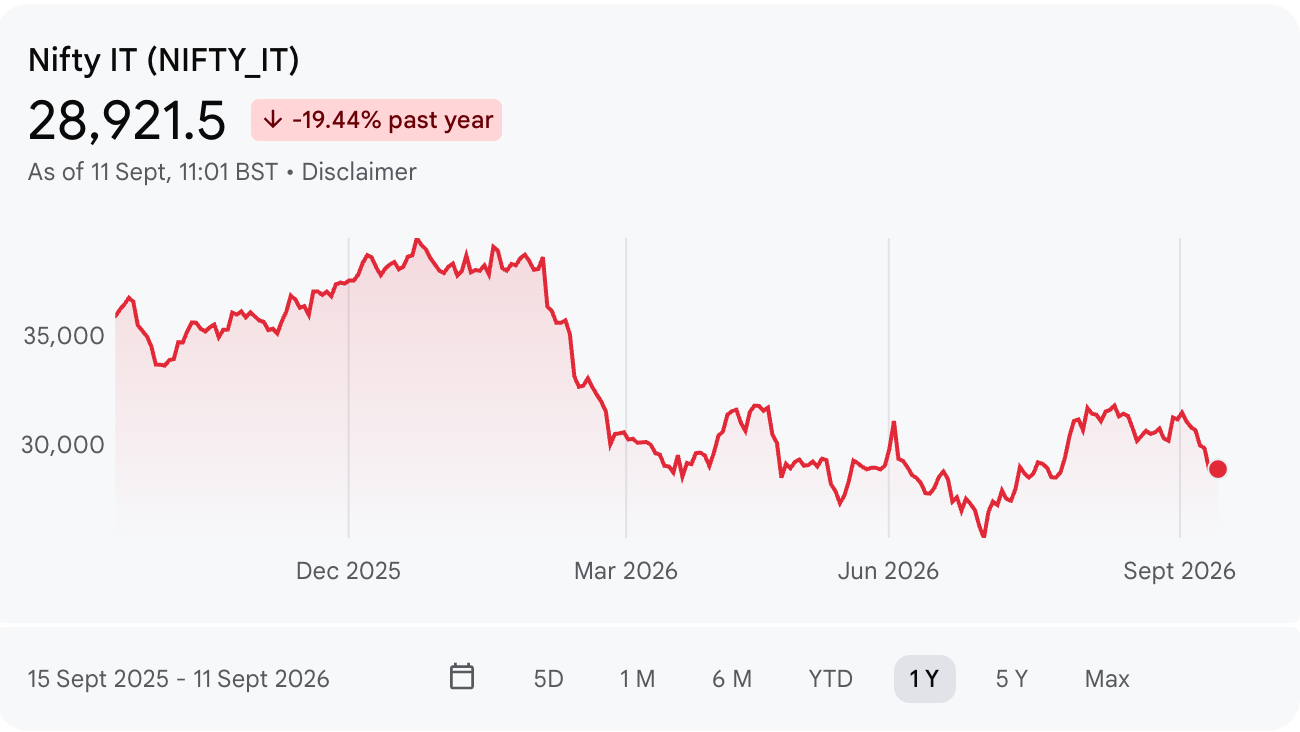
A client from a Saudi company heard Matteo out and told him his product wouldn't sell well in Saudi, because he is Italian. IT used to be expensive, software from Indian companies was cheap, and even when it wasn't good, companies bought it anyway. Once AI lowered the barrier to building software, that default started to loosen: in March 2026 India's Nifty IT index fell from 26,000 points to 22,000. More people are building software, the number of corporate buyers hasn't grown, and so sales matters more than it used to. Matteo explains how he does business in Saudi, and how PwC lost the Saudi government.

Saudi Clients Only Bought Software From Indians, Until AI Came Along

A Teacher to Her Students, a Vendor to Her Clients

Zi is doing a PhD at a top UK art school. On the side she helps children from high-net-worth families apply to art schools, and every client comes by word of mouth. She tried moving the business onto Xiaohongshu and found it doesn't work: once the amount gets large, deals stop closing. At the same time she is building an AI art-toy startup in China, where she raised her first round last year and watched agreed budgets get cut on a client's word. In the UK she is a teacher; back in China she is the vendor. The thesis sits between the two, still unfinished.

A Teacher to Her Students, a Vendor to Her Clients

She Works in VC, and She Says VC Has No Money

I went to see Amy in London to look for room to work together. She said a service like AI transformation doesn't suit VCs: too many people there come from technical backgrounds and prefer to do everything themselves. And more importantly, VC has no money. A 2% management fee has to keep the whole firm running, the LPs see a principal of a million and expect 1.4 million, while the GP actually holds only eight hundred thousand. She studied finance, not programming, yet Claude Code runs on her computer every day.

She Works in VC, and She Says VC Has No Money

Claude Code and Codex Played 8 Rounds of Negotiation. Codex Attached a Gift to Every Refusal

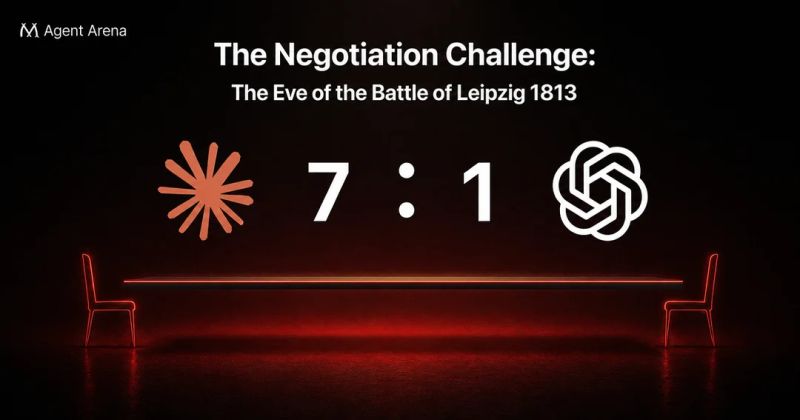
Two coding agents sat down for 8 rounds of a Harvard-style negotiation competition, scored on hard numbers. The result was 7 to 1. Codex lost the same way every time: in 4 games it signed deals sitting exactly on its client's survival line with zero margin; three times it refused the other side and volunteered a concession in the same breath; whenever the opponent told a story, it gave ground. It lost because it wanted too badly to be a good assistant.

Claude Code and Codex Played 8 Rounds of Negotiation. Codex Attached a Gift to Every Refusal

His Supervisor Can't Afford a House in London Either

Heng asked his supervisor whether he could buy a house in central London. The answer was no. In that moment, something clicked. Heng works on fuel cells: fuel goes in, electricity comes out, and over a PhD and a postdoc he built the whole process from scratch. In academia, what gets judged is whether you can bring in money, and money comes from networking; the UK pie is only so big. So he decided to start a company, and to do it back in China.

His Supervisor Can't Afford a House in London Either